Umpire Strike Zone Tendencies and Their Impact on Baseball Strikeout Prop Bets
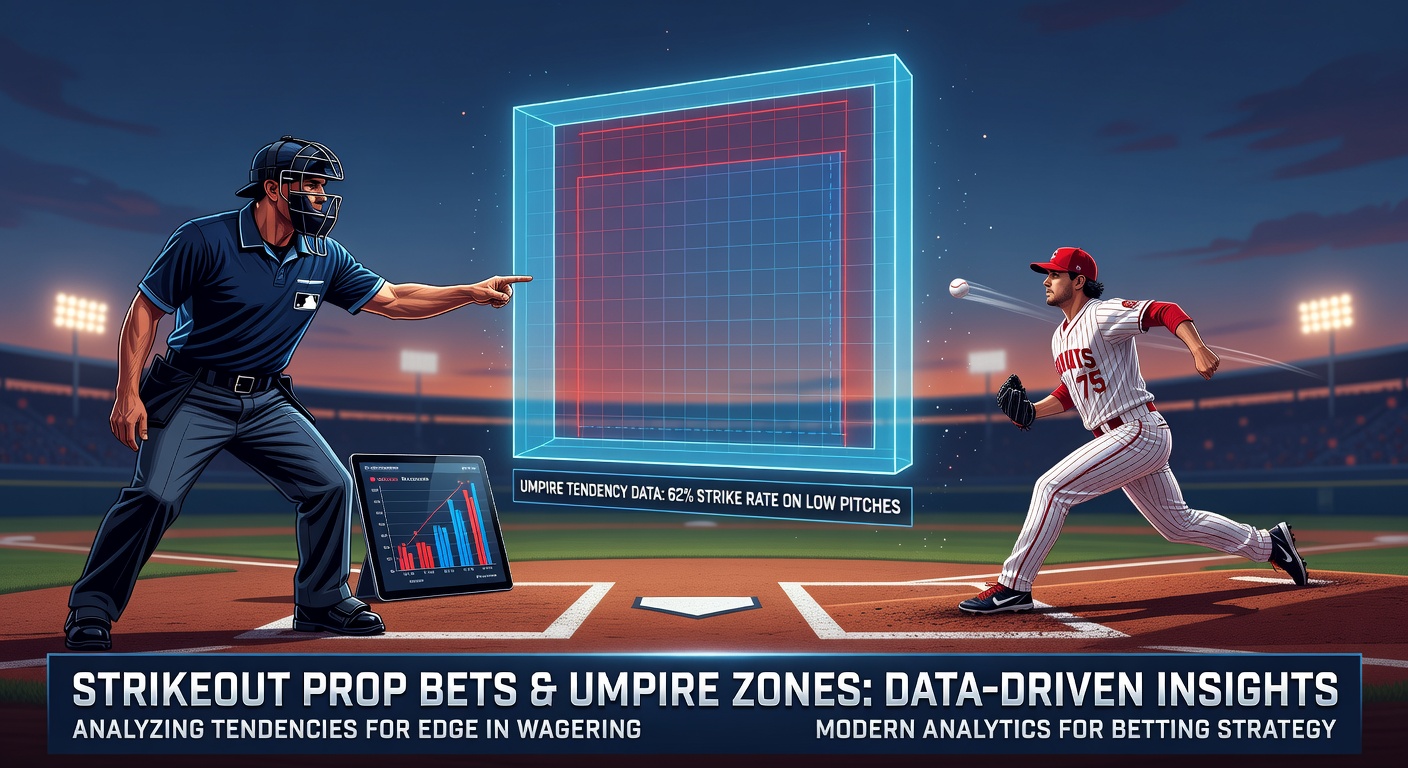
Baseball analysts track umpire strike zone variations through detailed pitch tracking systems that record every called ball and strike across the league schedule, and these patterns directly influence outcomes in strikeout prop bets where bettors wager on whether a pitcher will exceed or fall short of a set strikeout total. Data from MLB's Statcast platform shows that individual umpires maintain consistent but distinct zone boundaries throughout a season, with some expanding the zone on the edges while others adhere more strictly to the rulebook dimensions.
Tracking Umpire Patterns Through Official Systems
MLB's pitch tracking technology captures horizontal and vertical locations for each pitch, allowing researchers to compile season-long profiles that reveal how certain umpires call borderline pitches differently than their peers, and these differences accumulate over multiple games to create measurable edges for prop bettors who review historical calls. Figures from the 2025 season indicate that umpires with larger effective zones generated strikeout rates approximately 3 to 5 percent higher than league averages in games they worked, particularly in the lower half of the zone where breaking balls often land.
Teams and data providers update these profiles weekly, incorporating new games as the schedule unfolds, while observers note that home plate umpires exhibit less variation in the upper zone compared to the sides and bottom, a pattern that holds across both American and National League assignments. Pitchers who rely on high-spin fastballs or sharp sliders benefit when assigned to umpires whose zones favor called strikes on those offerings, and this correlation appears in aggregated box score data from multiple seasons.
Strikeout Prop Markets and Zone Influence
Betting markets set strikeout props based on pitcher season averages adjusted for matchup and venue factors, yet they incorporate umpire tendencies only indirectly through recent performance data, which leaves room for bettors who cross-reference umpire zone metrics with expected pitch counts. In games featuring umpires who call fewer strikes on the corners, strikeout totals for fly-ball heavy pitchers tend to drop because hitters make more contact on pitches that would otherwise be ruled strikes, shifting outcomes toward under bets on the prop line.
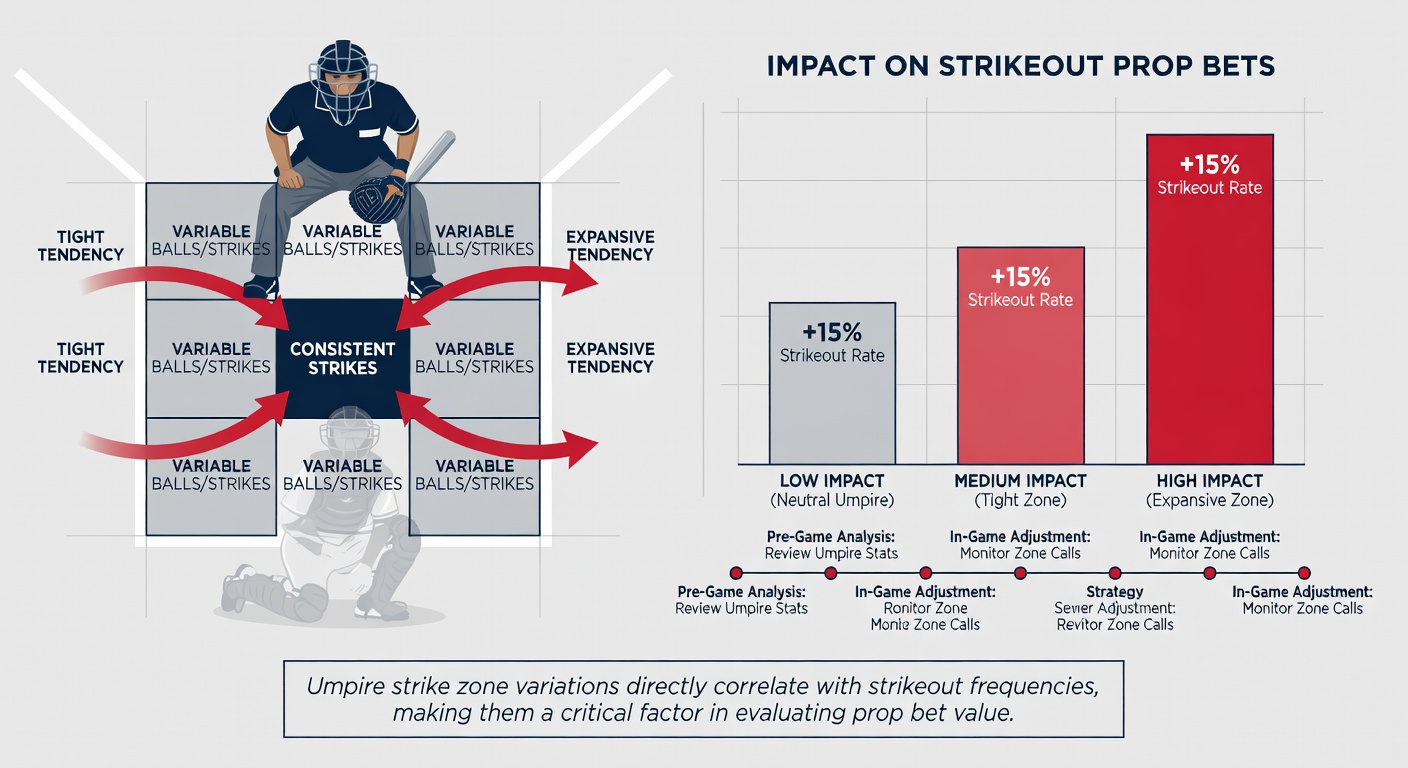
Conversely, ground-ball pitchers facing umpires with expanded zones often see elevated called strike rates on low pitches, pushing their strikeout numbers above the posted total and creating value on the over side of the wager. Studies compiled by the Society for American Baseball Research demonstrate that these effects strengthen in extra-inning games when fatigue influences both pitcher location and umpire decision consistency, and similar trends emerge in day games under varying light conditions.
Seasonal Adjustments and 2026 Developments
As the 2026 campaign reaches June, updated umpire reports show continued stability in zone profiles for veteran officials while newer umpires display wider week-to-week fluctuations that require more frequent monitoring. Pitchers who face the same umpire multiple times within a two-week span provide the clearest test cases, since repeated exposure allows analysts to isolate zone effects from other variables such as batter handedness and weather.
League-wide data released by MLB indicates that strikeout prop success rates improve when bettors filter games by umpire identity rather than relying solely on pitcher-versus-team splits, and this approach has gained traction among professional handicappers who maintain detailed databases of called strike percentages broken down by count and pitch type. External factors including catcher framing ability interact with these umpire patterns, amplifying or dampening the zone differences depending on the battery combination behind the plate.
Practical Applications for Prop Bettors
Bettors access umpire reports through subscription services that aggregate Statcast data into user-friendly dashboards, and these tools allow quick comparisons between an umpire's current season zone and their career norms. When an umpire's zone contracts in a particular series, strikeout props on contact-oriented hitters become more attractive on the under side, while power pitchers benefit from the opposite scenario.
Historical examples from the 2024 and 2025 seasons illustrate how zone shifts altered expected strikeout totals by two or more in individual outings, enough to swing a prop bet from one side to the other when lines sit near the pitcher's average. Data providers continue to refine these models by incorporating ball-strike count leverage and inning-specific tendencies, producing more granular forecasts that account for the cumulative impact across a full nine innings.
Conclusion
Umpire strike zone tendencies supply measurable inputs that refine strikeout prop evaluations when combined with pitcher skill metrics and opponent data, and ongoing tracking systems ensure these profiles remain current throughout each season. Bettors who integrate this layer of analysis into their process gain access to additional context that standard market lines do not fully reflect, though success still depends on consistent application across multiple betting opportunities.