Pace Pioneers Set the Tone from the Starting Gate on Dirt Tracks
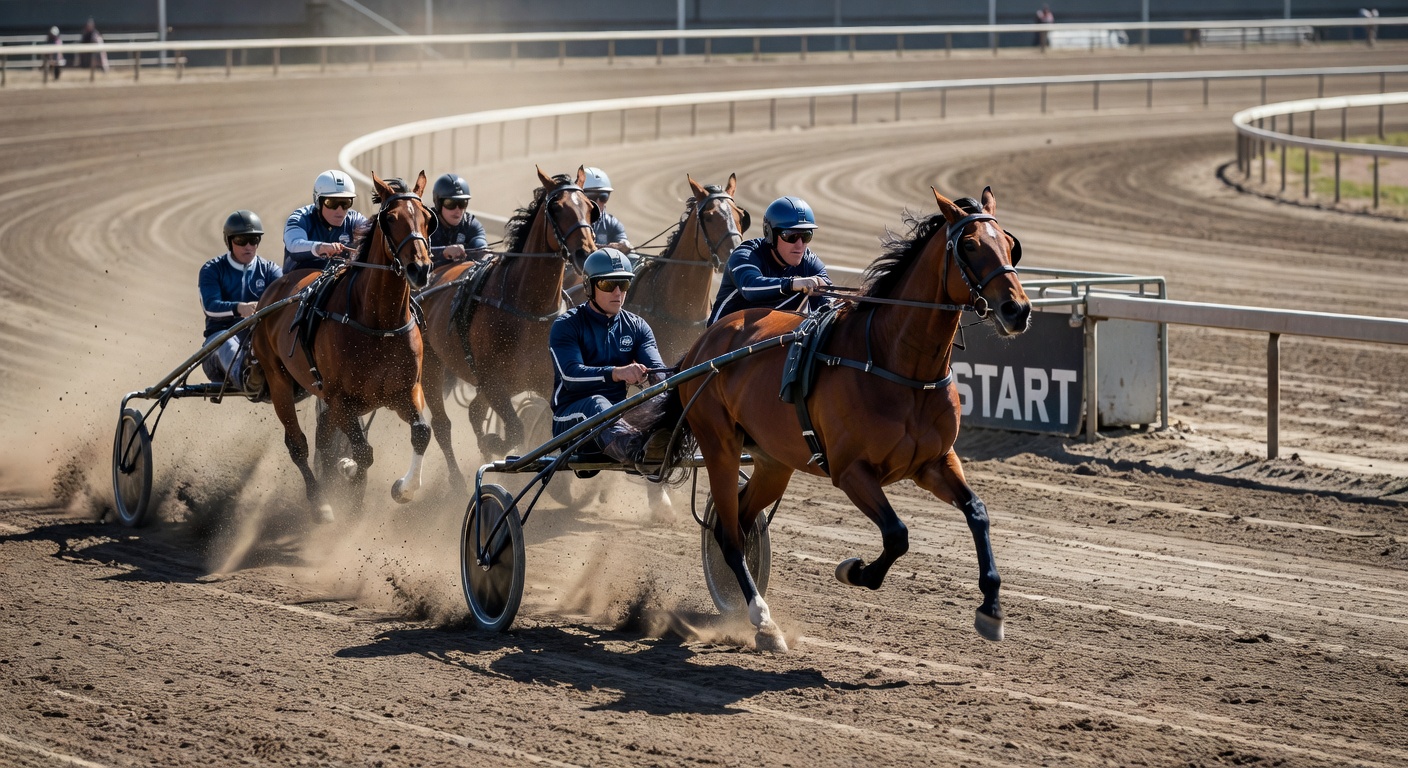
Dirt tracks present unique challenges where loose surfaces and high speeds create conditions that favor horses seizing early leads, forcing the rest of the field into pursuit roles throughout the race distance. Observers at major venues note how the composition of these surfaces allows front-runners to establish positions that become difficult for closers to overcome once the pace intensifies after the first furlong. Data from North American racing circuits shows that horses leading at the first call win at rates exceeding those recorded on synthetic or turf surfaces, particularly in sprint distances under 1400 meters.
The physical properties of dirt contribute directly to this dynamic, as the loose material provides better traction for horses maintaining forward momentum while creating deeper footing that tires those running behind in kicked-up debris. Researchers at equine performance laboratories have documented how track maintenance crews adjust moisture levels before race days, yet even with consistent preparation the advantage for early speed persists across multiple meetings. In May 2026 several prominent dirt circuits across the United States and Australia prepared for their peak seasons with updated surface compositions designed to balance speed and safety, yet historical patterns continued to reward horses breaking sharply from the gate.
Surface Characteristics and Speed Dynamics
Dirt racing surfaces consist of sand, silt, and clay mixtures that shift under repeated hoof strikes, producing a cushion that absorbs impact yet rewards horses who avoid traffic congestion in the early stages. Studies conducted by the Racing Surfaces Testing Laboratory indicate that horses positioned within the first three lengths at the break expend less energy navigating through slower traffic, preserving reserves for the stretch run. This advantage compounds on tracks with higher sand content, where the surface loosens more readily under afternoon heat and increases the difficulty for horses attempting wide rallies from behind.
Track bias reports compiled by racing analysts reveal consistent patterns at venues such as Churchill Downs and Belmont Park, where inside posts combined with early speed produce higher win percentages during spring and fall meets. Those monitoring daily results note that when maintenance crews apply additional watering the bias can moderate temporarily, although the fundamental preference for front-running tactics remains intact because high speeds amplify the separation between leaders and trailers.
Performance Data Across Distances
Statistical reviews of races run on dirt between 2020 and 2025 demonstrate that pace setters maintain win rates between 28 and 34 percent in sprints, dropping modestly in routes yet still outperforming mid-pack runners by significant margins. The Jockey Club maintains comprehensive databases showing these figures hold across graded stakes and claiming races alike, with the gap widening further when fields exceed eight runners and traffic becomes inevitable. Australian racing authorities report parallel findings on their dirt circuits, where early leaders in 1200-meter events convert leads into victories at rates that exceed expectations based solely on form rankings.
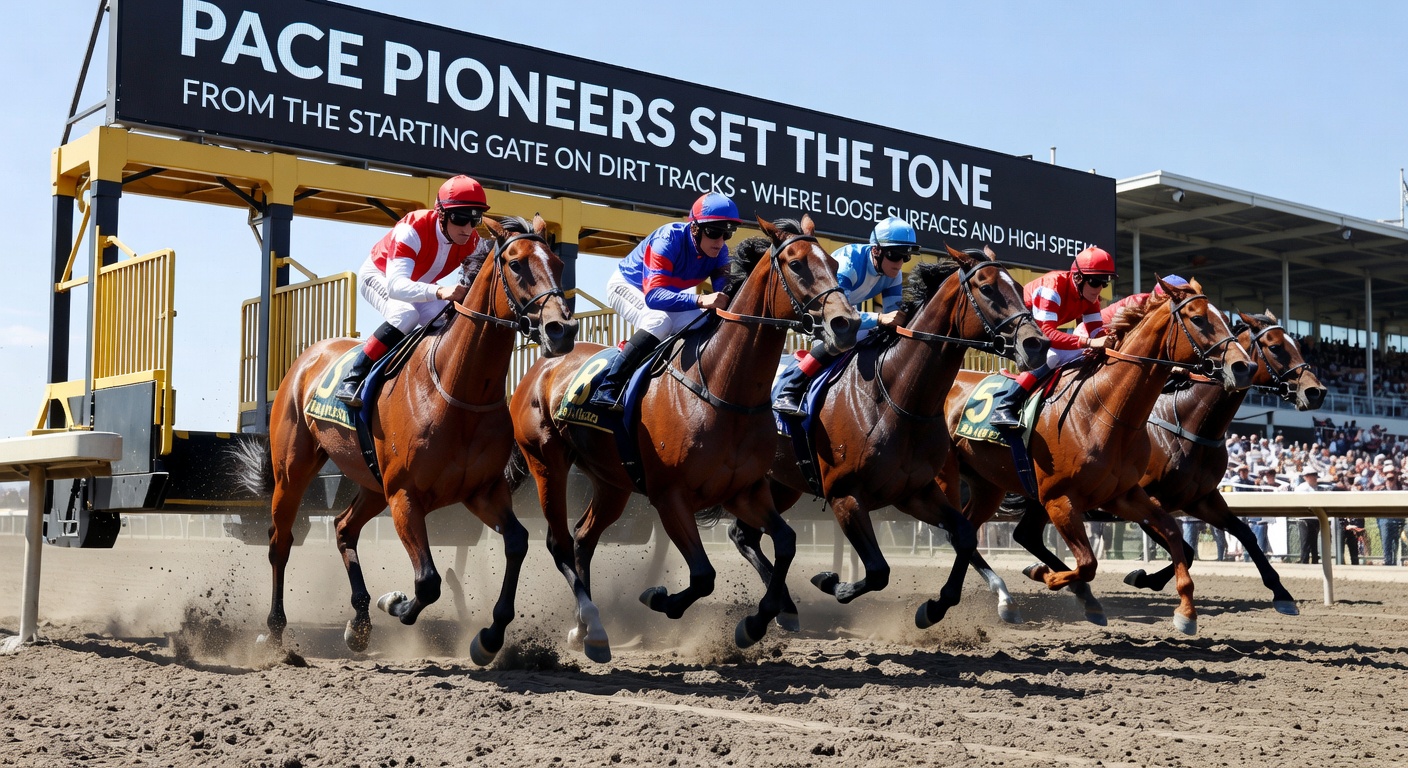
Trainers adjust preparation routines accordingly, incorporating gate drills that emphasize quick acceleration and straight-line running to capitalize on these tendencies. Horses with proven early speed figures recorded by timing systems often receive preferential odds adjustments in morning lines, reflecting the market's recognition of established patterns rather than any subjective preference. International comparisons compiled by the International Federation of Horseracing Authorities highlight that jurisdictions maintaining predominantly dirt surfaces experience similar outcomes, underscoring the role of surface type over regional training differences.
Strategic Considerations for Participants
Jockeys positioned on pace horses receive specific instructions to secure clear running room immediately after the break, minimizing contact that could disrupt rhythm on the loose going. Data from race replay analysis indicates that leaders who encounter early interference lose a measurable portion of their advantage, allowing closers a brief window to close gaps before the final bend. Those studying sectional timing reports observe that the first two furlongs often determine the eventual outcome more reliably than the final stretch on dirt compared with other surfaces.
Breeding programs have incorporated these observations, selecting stallions whose progeny demonstrate strong gate speed and the ability to sustain fractions under pressure. Pedigree databases maintained by international stud book authorities show increased demand for lines tracing back to successful dirt sprinters, with resulting yearling prices reflecting documented performance correlations rather than speculation.
Conclusion
The interaction between dirt surface properties, early positioning, and sustained speed continues to shape outcomes across global racing calendars, with patterns documented through timing data and surface analysis remaining consistent into 2026. Participants who align tactics with these established dynamics achieve measurable advantages, while those attempting to overcome them face structural obstacles inherent to the racing environment itself.