How Delayed Broadcast Feeds Shift Real-Time Soccer Goal Markets
Klara Krause · Aug 19, 2026

How Delayed Broadcast Feeds Shift Real-Time Soccer Goal Markets
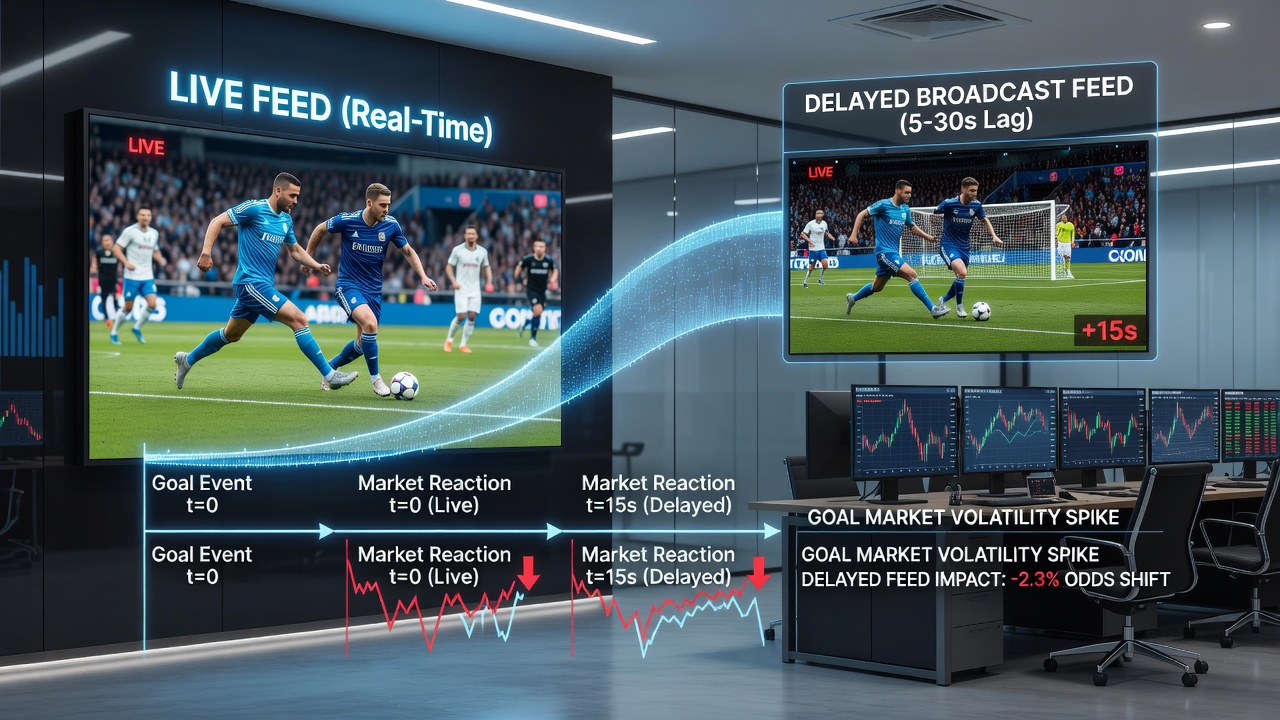
Delayed broadcast feeds create measurable gaps between the moment a goal crosses the line and when that information reaches certain viewers and betting platforms, which in turn alters live goal market pricing during soccer matches, and these timing discrepancies have drawn attention from data analysts who track milliseconds across global transmissions since the expansion of high-speed betting interfaces in recent years.
Mechanics Behind Feed Delays
Television signals travel through satellite uplinks, fiber optic networks, and compression stages that introduce consistent lags ranging from 30 to 90 seconds depending on the broadcaster and region, while streaming services often add further buffering that compounds the offset, and researchers at institutions studying media latency have documented these patterns across major European leagues where simultaneous goal events produce divergent market reactions on different platforms.
Bookmakers receive direct data feeds from stadium sensors and official timing systems that bypass public broadcasts entirely, yet many retail bettors still rely on television pictures that trail behind those proprietary inputs, which means goal markets can shift seconds after an official confirmation reaches trading desks but before the same event appears on a delayed screen.
Market Reactions and Timing Windows
Live goal lines typically contract sharply once a strike is confirmed, and the interval between official registration and broadcast visibility allows certain participants with access to low-latency sources to place wagers before wider market adjustments occur, while studies of transaction timestamps from regulated operators show clustered activity in the seconds immediately following official goal notifications rather than broadcast cues.
August 2026 brings the start of several domestic campaigns across Europe alongside expanded international qualifiers, periods when fixture density increases and broadcasters handle more simultaneous matches that strain distribution pipelines, and analysts note that these calendar pressures coincide with higher volumes of live goal wagers processed through mobile applications that pull from multiple data streams.
Data Sources and Regulatory Context
According to reports from the Australian Communications and Media Authority, broadcast latency metrics in sports coverage vary significantly by delivery method, with satellite paths showing different average delays compared to terrestrial and internet protocol routes that affect how quickly viewers receive event updates. Research published through the Gaming Standards Association has examined how timing differentials influence transaction patterns in real-time wagering environments, revealing correlations between feed offsets and order clustering around confirmed scoring events.
Those who monitor international fixtures observe that goal markets in leagues with strict broadcasting mandates sometimes exhibit wider spreads during periods of high viewer traffic, as operators account for potential information asymmetry created by staggered delivery times across regions, and internal platform logs indicate that automated risk systems trigger adjustments based on official timing data rather than viewer-facing images.
Technological Factors in Play
Modern compression algorithms and content delivery networks reduce some variability yet still leave residual delays that differ between fixed-line and mobile connections, while stadium-based optical tracking systems feed directly into betting engines without passing through public distribution channels, and observers have recorded instances where goal confirmation reaches trading systems 45 seconds ahead of the corresponding television image during congested matchdays.
Equipment upgrades at major venues have narrowed certain gaps in recent seasons, but regional differences persist because infrastructure investment levels vary by broadcaster and territory, creating pockets where the interval between event and broadcast remains pronounced enough to influence rapid market recalibrations.
Conclusion
Delayed broadcast feeds introduce quantifiable timing offsets that interact with real-time soccer goal markets through differences in data arrival times, and the patterns documented across multiple leagues demonstrate how official timing inputs reach betting platforms ahead of viewer-facing signals, which shapes the sequence of market movements without requiring subjective interpretation of intent or advantage.