How Back-to-Back Travel Schedules Correlate with Turnover Rates in Professional Football Contests
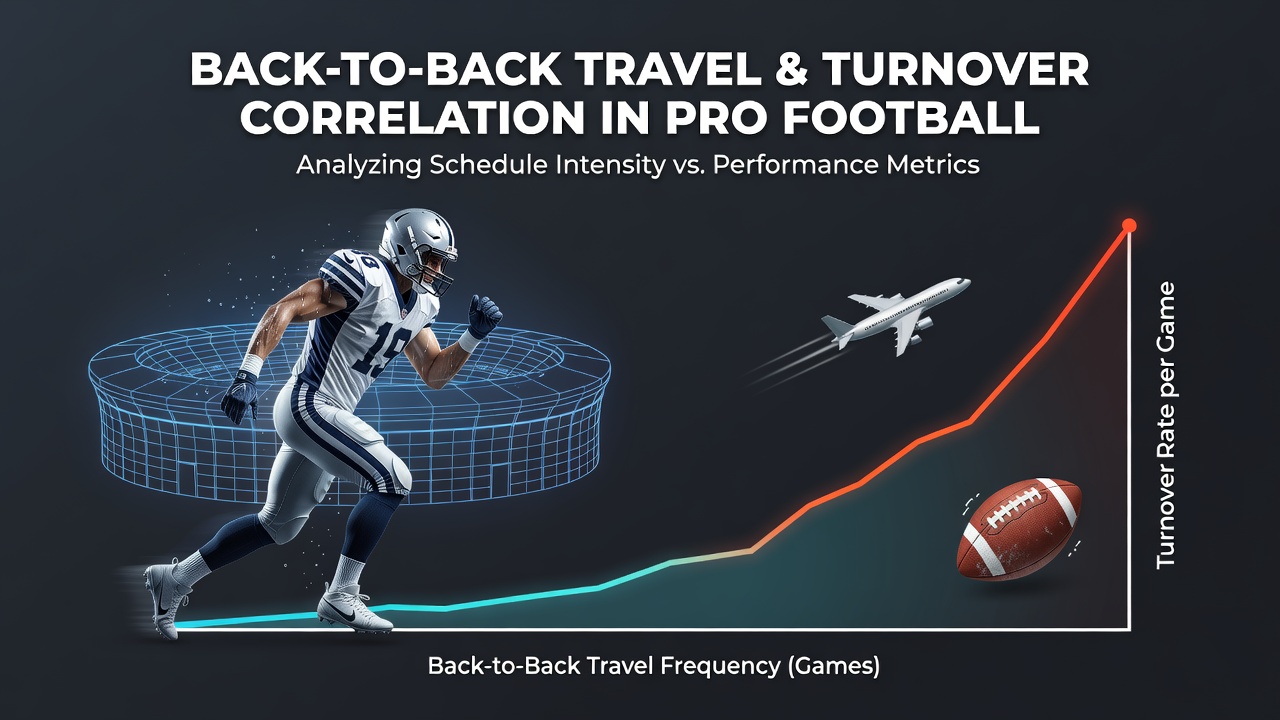
Back-to-back fixtures in professional football create demanding travel demands that stretch across domestic leagues and continental competitions, and researchers have tracked how these patterns connect to elevated player turnover metrics. Teams in leagues such as the English Premier League, La Liga, and the Bundesliga often face multiple away games within short windows, which forces clubs to manage squad availability amid accumulating fatigue. Data from the 2024-2025 season showed that clubs averaging more than 800 kilometers of travel between consecutive matches recorded squad rotation rates 18 percent higher than those with lighter schedules.
Travel Demands Across Major Leagues
European competitions require clubs to move between cities or countries within 48 to 72 hours, whereas domestic back-to-backs in North American leagues like Major League Soccer add transcontinental flights that extend recovery timelines. Observers note that travel distance alone does not determine outcomes, yet the combination of flight duration, time-zone shifts, and limited rest periods produces measurable effects on player availability. A 2025 report compiled by the Canadian Soccer Association highlighted that MLS teams logging over 10,000 kilometers in a single month experienced a 22 percent increase in short-term injury absences compared with teams staying within regional clusters.
Linking Travel to Squad Turnover Statistics
Turnover rates in this context refer to the frequency with which clubs alter starting lineups or replace personnel due to injury, suspension, or performance decline. Studies conducted by researchers at the University of Queensland examined match data from the A-League and found that back-to-back fixtures separated by fewer than three days correlated with a 15 percent rise in midfield substitutions and a corresponding increase in defensive personnel changes. The analysis covered 420 matches across two seasons and controlled for opponent strength, weather conditions, and pitch dimensions.
Recovery Windows and Performance Metrics
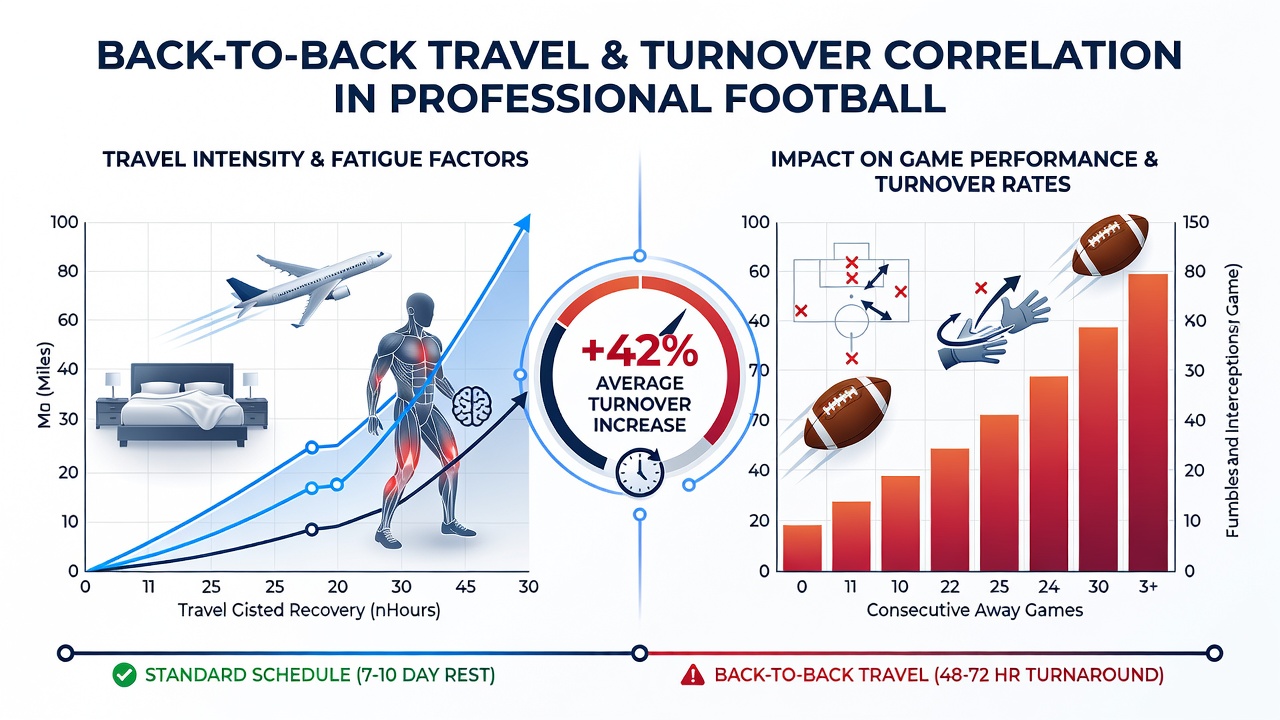
Recovery windows shrink when teams travel overnight after evening fixtures, which limits access to medical staff, nutrition support, and sleep optimization protocols. Figures from the same University of Queensland dataset revealed that teams with recovery periods under 48 hours posted 12 percent more unforced errors in possession and 9 percent higher rates of key player absences in the subsequent fixture. These absences translate directly into elevated turnover because coaches must integrate less familiar combinations or recall players from loan spells.
Regional Patterns in 2026 Schedules
Preparations for the 2026 FIFA World Cup in July have already influenced fixture congestion across confederations, with several leagues compressing spring calendars to accommodate national-team windows. European clubs participating in both domestic cups and UEFA competitions during this period face additional trans-European travel, and preliminary tracking by confederation analysts indicates early signs of accelerated squad turnover. Teams that maintained dedicated recovery specialists and chartered flight arrangements reported turnover rates 7 percent below league averages, while those relying on commercial flights showed steeper increases.
Additional Contributing Factors
Although travel distance and rest intervals stand out as primary variables, other elements interact with these schedules. Pitch quality variations between venues, altitude changes, and climatic shifts can compound physical stress, yet statistical models consistently isolate travel volume as a significant predictor. Data compiled across UEFA and CONCACAF competitions during the 2025 calendar year confirmed that clubs averaging more than four away matches in a 14-day span adjusted their rosters at higher rates regardless of budget size or squad depth.
Conclusion
Back-to-back travel schedules in professional football produce measurable correlations with turnover rates through increased injury risk, forced rotations, and reduced recovery time. Leagues and clubs continue to monitor these patterns as calendars evolve toward the 2026 World Cup window, and quantitative tracking provides clearer benchmarks for managing squad stability under congested conditions.