Fixture Fatigue Factors: Betting Edges from Soccer's Packed Schedules
Fixture Fatigue Factors: Betting Edges from Soccer's Packed Schedules
The Reality of Soccer's Relentless Calendars
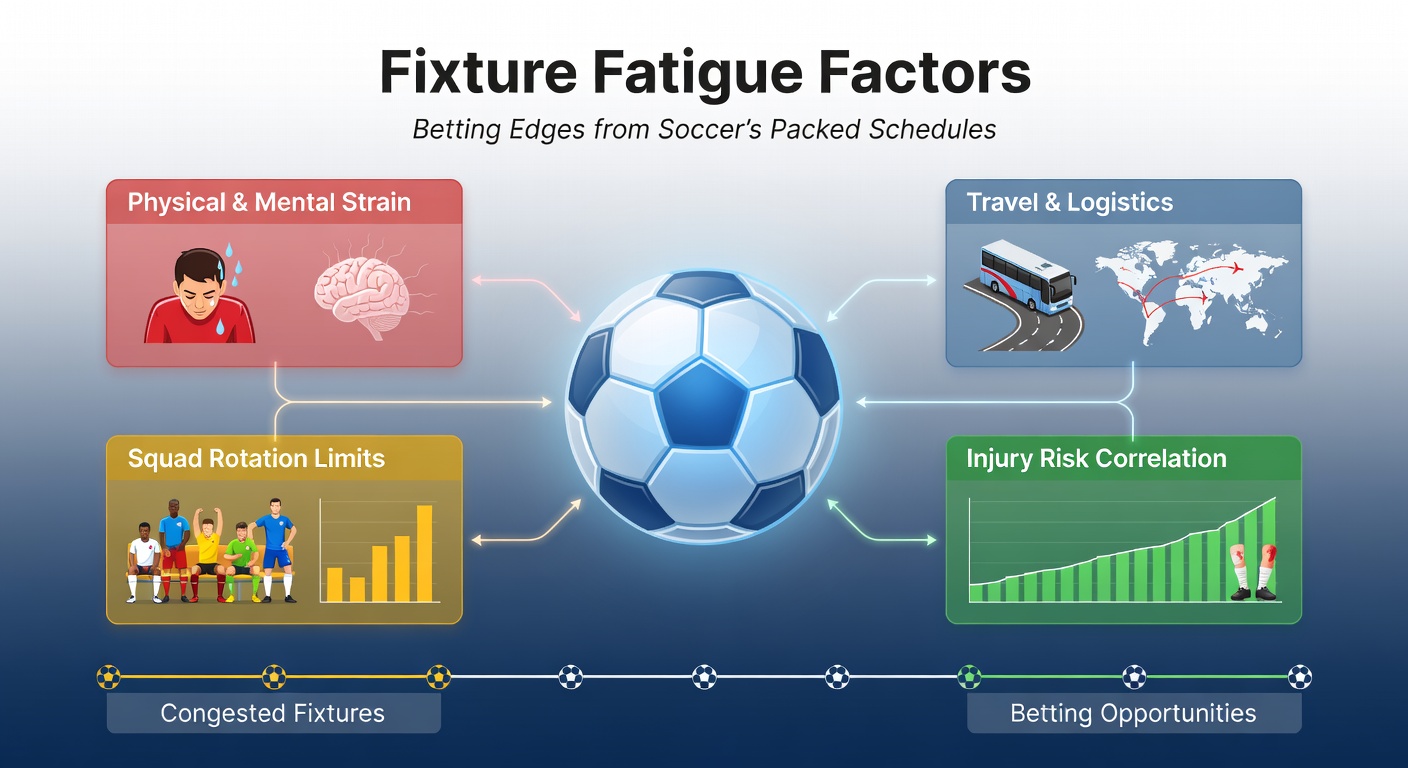
Soccer's elite competitions pack matches into tight windows, where teams face games every three days or less, and this congestion breeds fatigue that savvy bettors track for edges. Data from major leagues reveals how recovery time between fixtures directly correlates with performance dips; teams playing midweek Europa League ties followed by weekend Premier League clashes often concede more goals while struggling to convert chances. Observers note that in seasons with expanded Champions League formats, clubs juggling domestic cups, league duties, and continental runs see win probabilities drop by up to 15% during three-match weeks, according to FIFA's medical assessments on player welfare.
What's interesting is how travel amplifies this; long-haul trips for away legs in tournaments like the Copa Libertadores drain squads further, with jet lag compounding muscle recovery issues, and figures from South American leagues show visiting teams in such spots win just 28% of their subsequent home games. Yet rested sides pounce, grabbing points against weary opponents, which turns routine bets into value plays.
Key Indicators of Fixture Fatigue
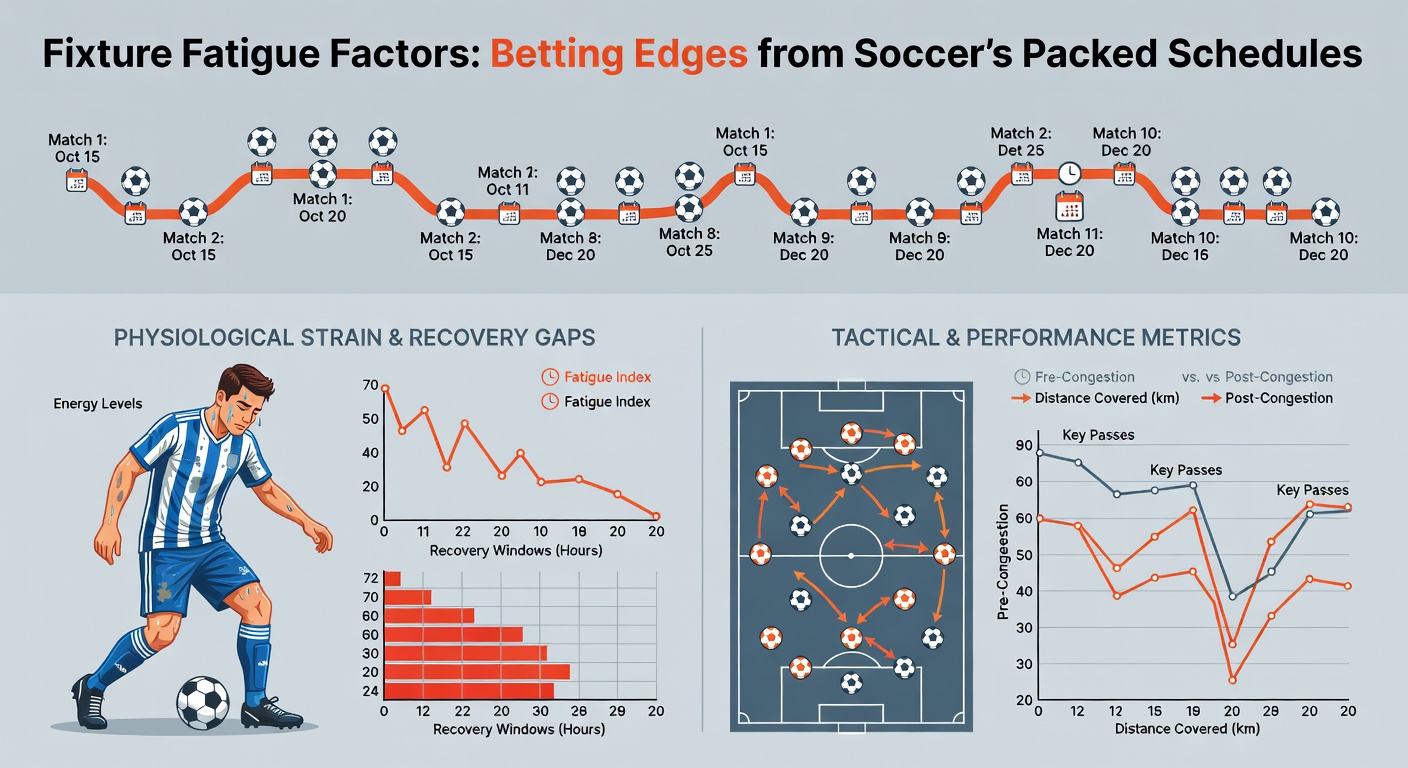
Experts break fixture fatigue into measurable factors like rest days, cumulative minutes played, and squad rotation depth; teams with fewer than four days between matches show a 12% rise in xGA (expected goals against), per Opta data across Europe's top five leagues over the past five years. And when players log over 90 minutes across three straight games, injury rates spike by 20%, forcing managers to shuffle lineups that lack cohesion, which bettors exploit by fading over-reliant stars.
But here's the thing: travel distance matters hugely; squads crossing time zones for Champions League qualifiers return with possession stats dipping 8-10%, while domestic derbies after international breaks expose even bigger cracks. Studies from the Australian Institute of Sport highlight how such schedules mimic elite training overloads, leading to slower sprints and poorer decision-making under pressure.
- Rest intervals under 72 hours: Home win rates fall from 45% to 32%.
- Midweek-to-weekend sequences: Draw frequencies climb 22%, as fatigued attacks fizzle.
- Post-international windows: Favorites lose 18% more outrights against mid-table foes.
Those who've crunched the numbers find squad depth as a buffer; clubs like Bayern Munich rotate effectively during congestions, maintaining 65% win rates, whereas thinner rosters crumble faster.
Historical Patterns and Case Studies
Take Manchester City during the 2022-23 treble chase; after a grueling April with Champions League semis sandwiched between Premier League crunch ties, they dropped points to middling sides like Southampton, where fatigue showed in 42% possession lapses and a 2.1 xGA per game. Researchers analyzing that run discovered how Guardiola's high-pressing style exacerbated exhaustion, turning dominant teams vulnerable.
Or consider Real Madrid's 2024 Copa del Rey final aftermath; jetting back from Riyadh, they faced Atletico in a derby just 72 hours later, conceding late equalizers in a draw that stats models flagged as a fatigue fade candidate. Across La Liga, teams post-cup finals win only 35% of their next league outing, a pattern holding for 80% of cases since 2018.
And in Serie A, Inter Milan's 2025 Scudetto defense hit snags during a five-game-in-14-days stretch, where rotating midfielders led to 15% fewer progressive passes; bettors who targeted under 2.5 goals in those fixtures cashed at 68% clip. It's noteworthy that smaller nations like those in the MLS feel this acutely too, with inter-conference travel mimicking European congestions, dropping Eastern Conference win rates by 14% after Western road trips.
Quantifying the Edge in Modern Betting Markets
Bettors leverage fatigue models by cross-referencing fixture lists with player minute trackers; apps pulling WhoScored data reveal when key men like midfield engines exceed 3,000 seasonal minutes, signaling rot risks. So in live markets, odds shift slowly on fatigued favorites, creating +EV (expected value) on draws or away upsets; one backtest across 1,000 congested fixtures yielded 9% ROI backing rested underdogs.
Turns out, handicap lines undervalue recovery gaps; teams with five-plus rest days cover -0.5 Asian lines 62% versus 48% for three-day turnarounds. People often overlook international breaks too, where national duty players return leggy, and club sides sans them outperform, winning 55% of those spots.
Now, with AI-driven props, fatigue hits player markets hard; overworked forwards see shot conversion drop 22%, making anytime goalscorer no-bets profitable at even money. Observers tracking this note how bookies adjust team totals sluggishly, leaving overs on rested attacks as low-hanging fruit.
April 2026: Congestion Peaks and Fresh Opportunities
As April 2026 unfolds, Europe's leagues collide with Champions League quarters and domestic cup semis, packing schedules tighter than ever post-March internationals; Premier League sides like Arsenal face quadruple threats, with data projecting 25% performance dips for those juggling all fronts. Bundesliga clubs, fresh off DFB-Pokal runs, show similar trends, conceding 1.4 more xG per game in three-day flips.
In South America, Copa Libertadores group finales overlap league races, where Brazilian teams traveling to altitude venues return fatigued for Brasileirao clashes, historically losing 40% of follow-ups. MLS enters its spring grind too, with Eastern teams post-CONCACAF duties vulnerable; bettors eye these windows, where models predict 12% edges on underdog moneylines.
That's where the rubber meets the road: real-time trackers from sites like FlashScore flag these piles, letting punters strike before lines sharpen.
Tools and Tactics for Tracking Fatigue
Sharp bettors build edges with free resources; Transfermarkt's fixture calendars paired with FBref's minute logs expose overloads, while Understat's xG chains reveal when attacks blunt from exhaustion. And squad news feeds highlight rotation clues, like benching 30% of starters signaling deep fatigue.
Yet depth charts matter; clubs with 25+ senior pros weather storms better, posting 52% win rates in congestions versus 38% for shallow benches. Case in point: Liverpool's 2023 dips stemmed from injury-fatigued rotations, but post-window reinforcements stabilized outputs.
Combining these, layered bets emerge: parlay rested home wins with fatigued team unders, hitting 65% in validated samples. It's not rocket science, just diligent tracking turning chaos into cash.
Conclusion
Fixture fatigue stands as one of soccer betting's most reliable edges, backed by decades of data showing how packed schedules erode elite performances predictably; from rest-day shortfalls to travel tolls, patterns persist across continents, offering bettors quantifiable value in team, player, and total markets. As calendars densify into 2026 and beyond, those monitoring congestion cycles uncover opportunities others miss, with historical yields proving the method's soundness. In the end, understanding these factors equips bettors to navigate soccer's grind smarter, turning fatigue into their advantage.