Altitude Effects on Passing Accuracy Rates in High-Elevation Soccer Fixtures
Ellis Wolf · Aug 17, 2026
Altitude Effects on Passing Accuracy Rates in High-Elevation Soccer Fixtures
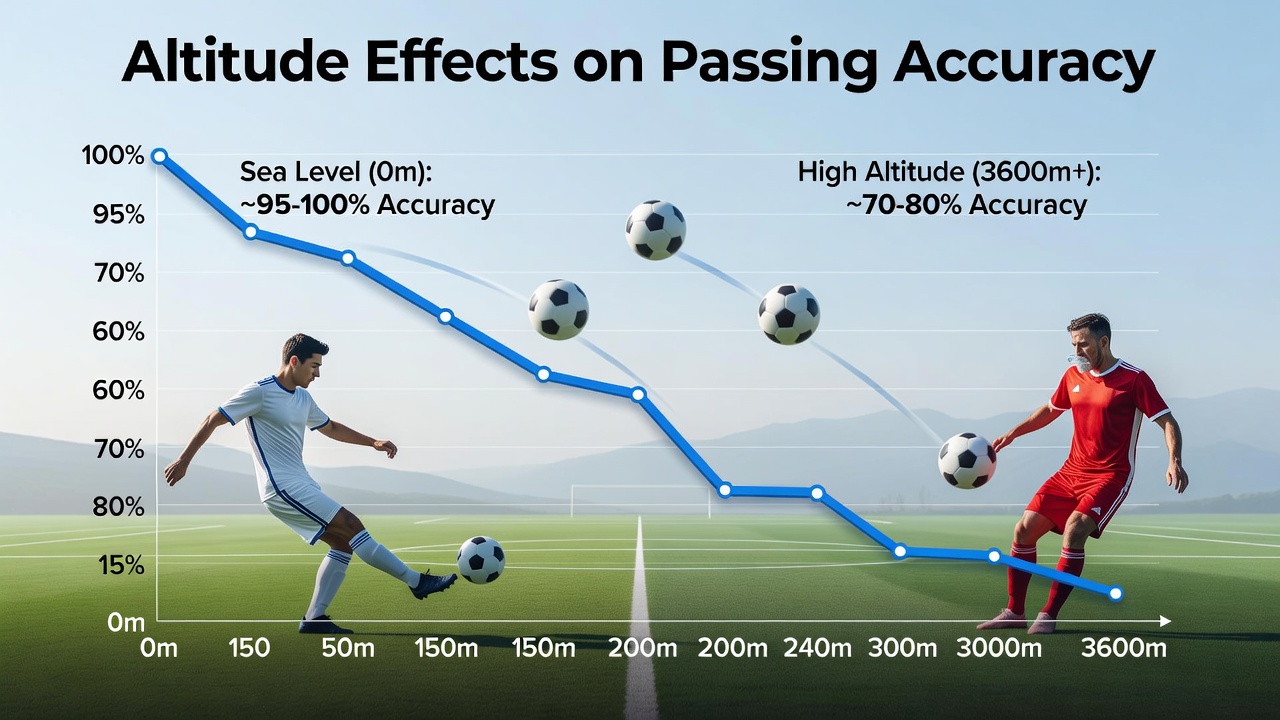
High-elevation soccer venues such as those in La Paz, Bolivia at over 3,600 meters and Quito, Ecuador near 2,800 meters create distinct performance conditions that alter player physiology and ball behavior in measurable ways, and researchers have tracked these patterns across multiple international and domestic fixtures since the early 2000s.
Physiological Demands at Elevation
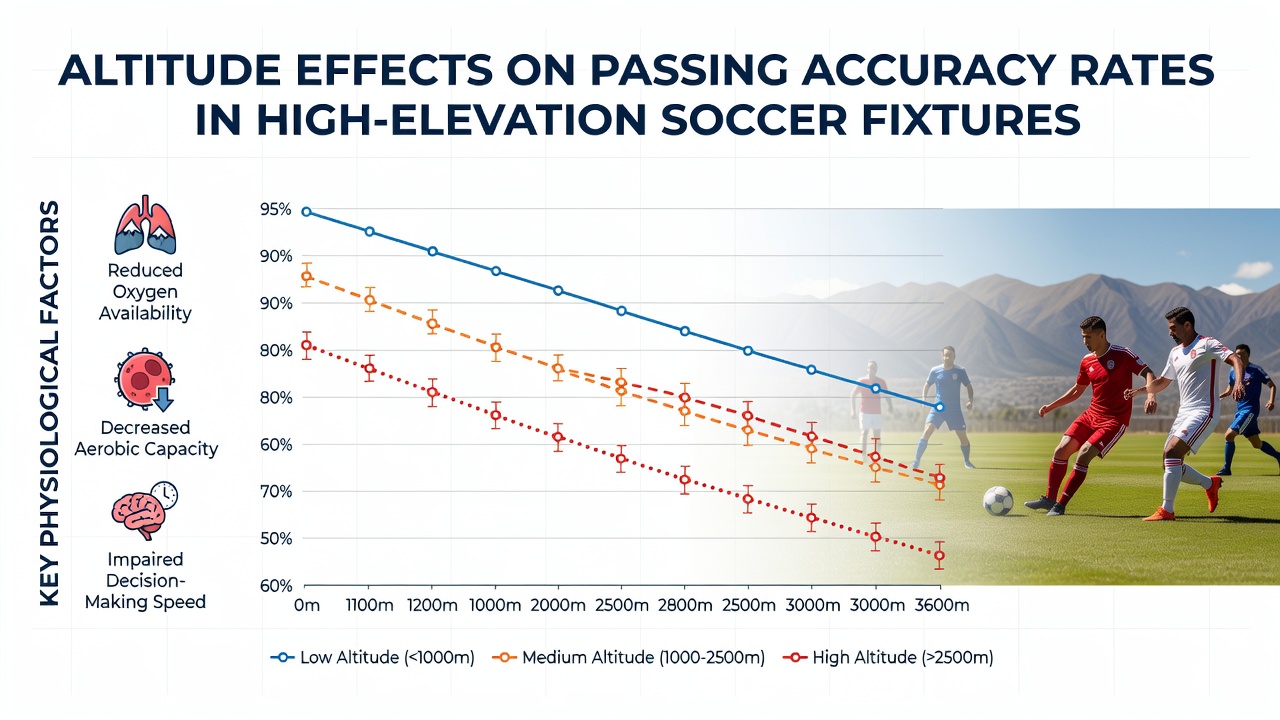
Players experience reduced oxygen availability at altitude which accelerates fatigue during sustained efforts, and data from heart-rate monitoring in matches shows elevated cardiovascular strain that shortens the duration of high-intensity runs; this fatigue directly influences technical execution because tired athletes make quicker decisions with less precision on short and medium passes.
Studies conducted by South American sports institutes indicate that passing accuracy drops by roughly 6 to 9 percent in the second half of games played above 2,500 meters compared with sea-level equivalents, while recovery intervals between sprints lengthen as blood-oxygen saturation declines.
Aerodynamic Changes to the Ball
Lower air density at high elevations reduces drag on the ball, allowing it to travel farther with the same force yet spin less effectively, and goalkeepers plus defenders must adjust positioning because passes and crosses arrive with flatter trajectories and greater speed than expected at lower altitudes.
Match footage analysis from CONMEBOL qualifiers reveals that long diagonal passes succeed at higher rates in venues like Estadio Hernando Siles while short combination play suffers because players underestimate the ball's carry and timing breaks down.
Statistical Patterns Across Fixtures
League and national team records compiled over the past decade demonstrate that visiting sides record lower pass completion percentages in the opening 30 minutes before partial acclimatization occurs, and teams that rotate midfielders more frequently maintain steadier accuracy throughout the 90 minutes.
Researchers from the University of the Andes examined 48 matches played between 2018 and 2024 at elevations above 2,500 meters and found that central midfielders posted the largest declines in successful passes under pressure, whereas full-backs showed smaller drops because their roles involve fewer intricate combinations.
Adaptation Strategies Observed in 2026
Teams preparing for August 2026 international windows have incorporated altitude simulation chambers during preseason blocks, and physiological testing shows that athletes who complete 10 to 14 days of simulated exposure maintain passing accuracy within 3 percent of their sea-level baselines when they travel to high venues.
Coaching staffs also adjust tactical instructions by emphasizing longer switches of play and reducing reliance on intricate one-touch sequences early in matches, while medical teams monitor hydration and iron levels more closely because dehydration compounds the effects of lower oxygen partial pressure.
Comparative Data from Different Regions
Fixtures in the Mexican Liga MX at elevations around 2,200 meters in Mexico City produce milder accuracy reductions than those seen in Andean stadiums, and comparative reports from the FIFA technical department highlight that the magnitude of decline correlates strongly with the absolute height above sea level rather than simply the change from sea level.
A separate longitudinal analysis released by the Canadian Sport Institute Pacific examined acclimatization windows and confirmed that players who arrive 72 hours before kickoff rather than 24 hours show improved retention of technical metrics including pass success under defensive pressure.
Conclusion
Collective evidence from match tracking systems, physiological monitoring, and controlled studies establishes that high-elevation conditions measurably affect passing accuracy through combined physiological fatigue and altered ball flight characteristics, and teams that prepare with targeted acclimatization protocols demonstrate smaller performance decrements in these environments. Continued data collection around major tournaments scheduled for 2026 will provide additional clarity on optimal preparation windows and in-game adjustments.